EU MiCA Compliance: How Stablecoins Are Reshaping Crypto Casinos
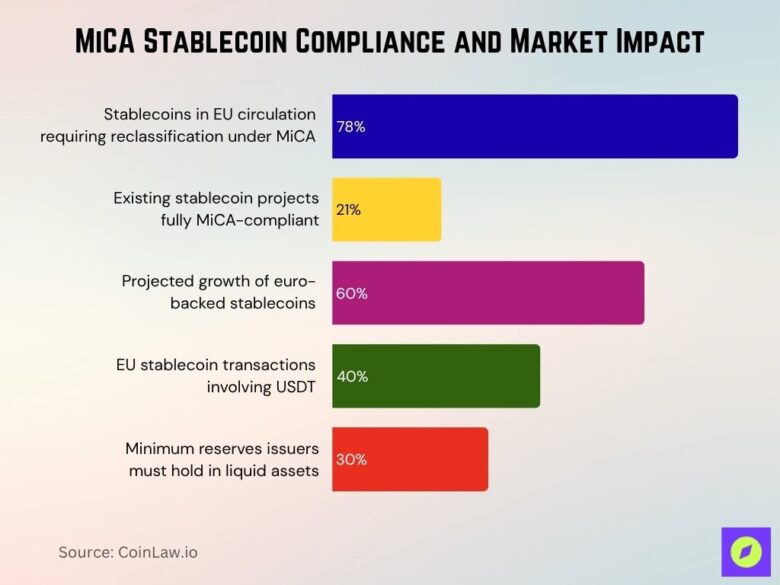
The European Union’s Markets in Crypto-Assets Regulation (MiCA) has fundamentally transformed how stablecoin-based crypto casinos operate across the continent. What began as regulatory framework intended to protect consumers has evolved into a comprehensive compliance infrastructure that directly impacts reserve holdings, custody arrangements, and operational transparency for gambling platforms utilizing digital assets. For international players and operators navigating this landscape, understanding MiCA’s implications on stablecoin reserves and custody requirements has become essential to identifying trustworthy platforms and recognizing the shifting dynamics of regulated crypto gambling.
Understanding MiCA’s Impact on Stablecoin Reserve Requirements
MiCA establishes stringent requirements for stablecoin issuers operating within EU jurisdiction, demanding that every stablecoin in circulation be backed by corresponding reserve assets. For crypto casinos accepting stablecoins like USDT, USDC, and DAI, this regulation creates a cascading effect throughout their operational infrastructure. Platforms must now verify that the stablecoins they accept meet reserve requirements, essentially making them responsible for ensuring that the digital assets their players deposit possess legitimate backing.
The reserve requirements under MiCA stipulate that stablecoin issuers maintain reserves comprising high-quality liquid assets, with at least eighty-five percent held in safe and highly liquid instruments. This means crypto casinos accepting these stablecoins can theoretically offer players greater assurance that the digital assets they’re gambling with possess tangible value. However, this assurance comes with compliance burdens. European operators must now conduct regular audits confirming that stablecoins held in player accounts meet these reserve standards, creating operational overhead that smaller platforms struggle to manage.
Major stablecoin providers like Circle, the company behind USDC, and Tether, the issuer of USDT, have had to restructure their reserve compositions to comply with MiCA standards. This restructuring directly affects crypto casinos, as these platforms must maintain detailed documentation proving that the stablecoins they hold in reserve for player accounts comply with EU regulations. The operational complexity has led some platforms to reduce the number of stablecoin options they offer, with many European operators now prioritizing USDC due to Circle’s transparent reserve reporting practices.
Custody Requirements and Their Operational Implications

Third-Party Custody Solutions and Regulatory Compliance
MiCA mandates that stablecoins held on behalf of customers must be stored in segregated accounts with qualified custodians. For crypto casinos, this requirement fundamentally changed how they manage player funds. Rather than maintaining direct custody of stablecoins, most European operators now partner with regulated custodians who specialize in holding digital assets for gambling platforms. This shift has created a new intermediary layer in the crypto gambling ecosystem, with companies like Fidelity Digital Assets, Coinbase Custody, and Kraken Digital Asset Services becoming essential infrastructure providers for compliant operators.
The custody requirement ensures that if a crypto casino faces financial difficulties or operational challenges, player stablecoins remain protected in segregated accounts that cannot be commingled with the platform’s operational funds. This mirrors traditional banking protections and represents a significant advancement in player fund security. However, implementing these custody solutions requires crypto casinos to pay custodian fees, typically ranging from 0.1 to 0.5 percent annually, which operators often pass to players through adjusted odds or reduced promotional offers.
Audit Trails and Real-Time Compliance Monitoring
MiCA compliance demands that crypto casinos maintain comprehensive audit trails documenting every transaction involving stablecoins. This requirement extends beyond simple transaction recording to include detailed documentation of reserve verification, custody confirmations, and periodic reconciliation reports. Platforms must now implement blockchain monitoring systems that track stablecoin movements in real time, ensuring that reserves never fall below required thresholds.
Leading crypto casinos have invested in sophisticated compliance software that integrates with their gaming platforms, automatically flagging transactions that might violate reserve requirements or custody protocols. These systems require continuous updates as MiCA interpretations evolve, creating ongoing compliance costs that affect platform operations. Smaller operators operating on thin margins have found these compliance expenses particularly challenging, leading to market consolidation as larger platforms absorb smaller competitors lacking resources for proper compliance infrastructure.
Operational Challenges for European Crypto Casinos
The transition to MiCA compliance has created substantial operational challenges for European crypto casinos. Platforms must now employ dedicated compliance officers, implement new custody relationships, and invest in compliance technology. These expenses have forced operators to make strategic decisions about market focus, with some platforms exiting European markets entirely to avoid compliance burdens while others have embraced the regulatory framework as a competitive advantage.
Popular crypto casino platforms like Stake and Rollbit, both of which serve international players including Europeans, have had to navigate these requirements carefully. While Stake maintains operations through jurisdictional arbitrage, Rollbit has pursued more transparent compliance approaches, implementing reserve verification systems and custody partnerships that align with MiCA expectations. These divergent strategies reflect different operational philosophies regarding regulatory engagement.
The custody requirement has also affected the speed at which players can withdraw winnings. Traditional crypto casinos could process withdrawals almost instantaneously, but MiCA-compliant custody arrangements sometimes require additional verification steps. Some platforms now batch process withdrawals at specific times, with settlement occurring within 24 to 48 hours rather than instantaneously. This represents a meaningful change in user experience that reflects regulatory compliance requirements.
Reserve Verification and Transparency Standards
MiCA requires that stablecoin reserves be verified through regular audits conducted by independent third parties. For crypto casinos accepting these stablecoins, this creates transparency opportunities that differentiate compliant platforms from unregulated alternatives. Operators can now publicly display reserve verification reports, demonstrating that stablecoins held for players possess legitimate backing and that platforms maintain appropriate custody arrangements.
This transparency trend has influenced how players evaluate crypto casinos. International players increasingly seek platforms that openly display reserve verification reports and custody confirmations, viewing these documents as indicators of operational legitimacy. Platforms that embrace this transparency gain competitive advantages in attracting players who prioritize fund security over marginally higher odds or more generous promotional offers.
The reserve verification process typically occurs quarterly, with independent auditors confirming that stablecoin reserves match documented liabilities to players. These audits examine custody confirmations, blockchain records, and reconciliation reports. Platforms failing audits face regulatory sanctions ranging from fines to operational suspension, creating strong incentives for rigorous compliance.
Strategic Adaptations and Future Implications
Crypto casinos have adapted to MiCA requirements through various strategic approaches. Some platforms have developed proprietary stablecoins backed by MiCA-compliant reserves, creating direct relationships with players while maintaining regulatory compliance. Others have partnered with established stablecoin issuers to ensure their reserve backing meets regulatory standards. These strategic choices reflect different assessments of regulatory trajectory and player preferences.
The regulatory framework has also influenced which cryptocurrencies crypto casinos offer for gambling. Bitcoin and Ethereum remain popular, but stablecoins have gained prominence precisely because MiCA compliance creates verifiable assurance regarding their value stability. Players increasingly prefer stablecoins for casino deposits because they understand that regulatory requirements ensure backing and custody protections.
For international players engaging with European-compliant crypto casinos, MiCA compliance offers meaningful protections. Reserve verification reports and custody arrangements reduce counterparty risk, ensuring that platforms cannot misappropriate player funds. However, players should recognize that compliance comes with costs reflected in platform economics, potentially affecting odds, promotional offerings, or withdrawal speeds.
Actionable Strategies for International Players
International players should prioritize crypto casinos that openly display MiCA compliance documentation and reserve verification reports. Request custody confirmations from platform support teams, as legitimate operators readily provide this information. Verify that platforms partner with recognized custodians like Coinbase, Kraken, or Fidelity rather than maintaining direct custody of player funds.
Consider the stablecoins platforms offer as indicators of compliance commitment. USDC typically indicates stronger compliance orientation than alternatives, as Circle maintains transparent reserve reporting. Evaluate withdrawal timelines, recognizing that MiCA-compliant custody arrangements may require additional processing time compared to non-compliant platforms. Review publicly available audit reports, which reputable platforms commission quarterly and display on their websites.
Engage with platform support regarding their specific compliance arrangements, asking about custody providers, reserve verification schedules, and regulatory licenses. Legitimate operators provide detailed responses, while evasive answers suggest potential compliance concerns. Monitor platform announcements regarding regulatory updates, as compliant operators regularly communicate changes affecting player fund management.
Remember that responsible gambling requires maintaining appropriate betting limits regardless of platform compliance status. Set deposit limits aligned with your financial situation, establish loss limits preventing excessive gambling, and take regular breaks from gaming activities. Recognize gambling as entertainment requiring expenditure you can afford to lose, never as income generation or debt repayment mechanisms. Seek support from organizations like Gamblers Anonymous if gambling activities become problematic, maintaining healthy relationships with family and friends while engaging responsibly with crypto casino platforms.
